Surgery centers.
Outpatient surgery centers where anesthesia sets the pace of the day, and the teams that keep their rooms running on time.
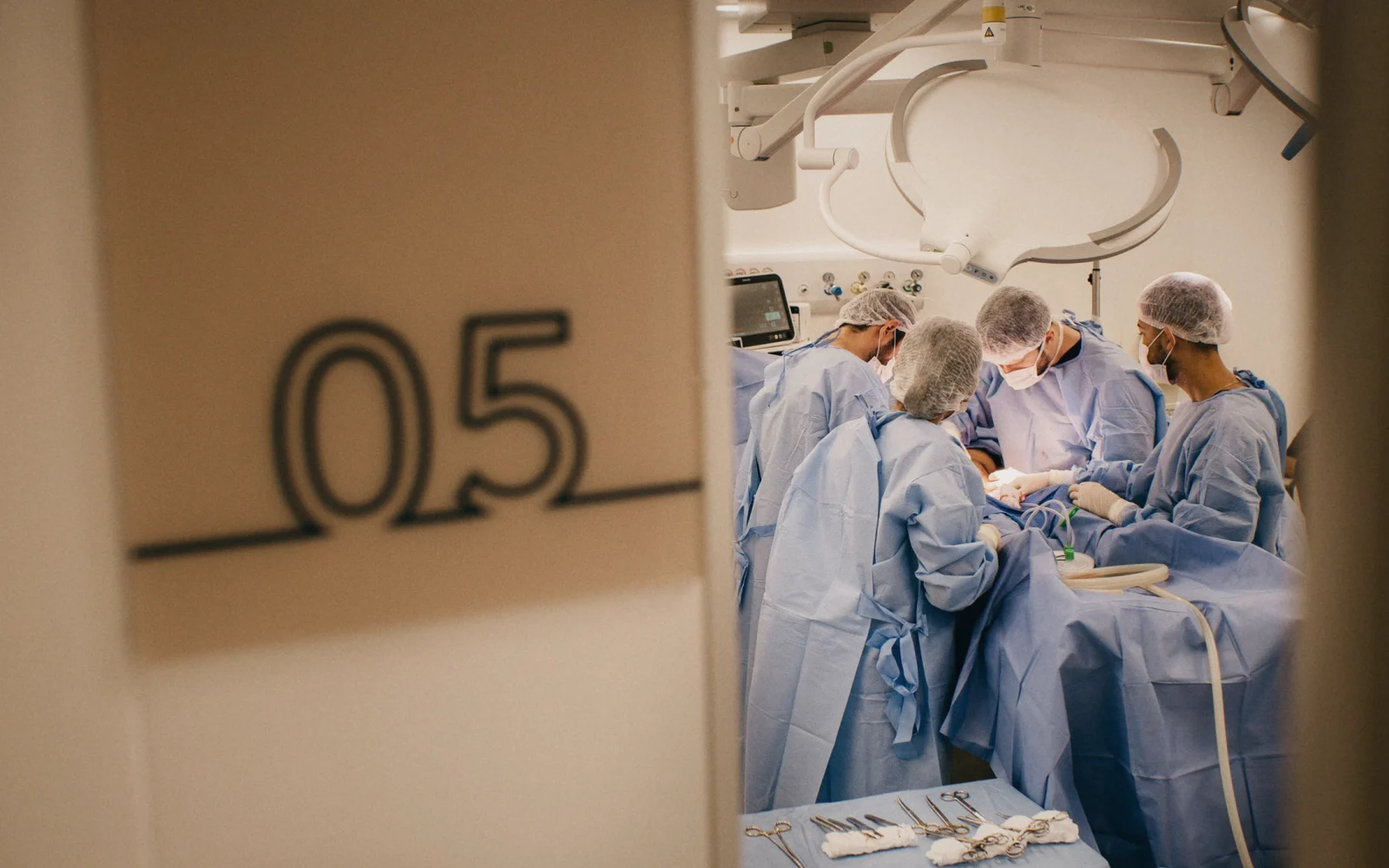
A surgery center is paid for each case done in its rooms, and the surgeons and the anesthesia team bill for their own work. Its earnings come from how many cases its rooms do well, and for which payers.
What we look at.
The questions a careful buyer works through in this kind of company, before a price is final.
- 01
Case and payer mix
Which procedures the center performs, who pays for them, and how that has moved as Medicare's list of covered procedures has changed.
- 02
Ownership
Who owns the center alongside its surgeons, and how distributions are made.
- 03
Surgeon concentration
How much of the volume depends on one or two surgeons.
- 04
Room use
How full the block schedule is, and how much time is released or left empty.
- 05
Turnover and cancellations
How long rooms sit between cases, and how many cases fall off on the day.
- 06
The anesthesia agreement
Who provides anesthesia, on what terms, and what a change of ownership does to that agreement.
Where a clinician helps.
Dr. Recio is a practicing CRNA. In this business, that shows up in a few concrete places.
- 01
The day's build
An anesthesia provider sees where a surgical day loses time: screening before surgery, the first start, turnover and recovery.
- 02
Regional anesthesia
Nerve blocks placed before the patient reaches the operating room can shorten each case's time in the room.
- 03
Recovery
Technique chosen with recovery in mind moves patients through it faster, and safely.
Questions owners ask.
More on how a sale works is on the page for owners.
Will my distributions change?
Ownership and distributions are written into the letter of intent. The terms for surgeon partners are part of that conversation from the start.
Will you keep our anesthesia team?
We start from the team that knows your center, and we decide anything about anesthesia coverage together with you and your surgeons.
How long does a sale take?
Most healthcare sales close three to six months after a signed letter of intent. Licenses, payer credentialing and the center's own agreements set the pace.
Start a confidential conversation.
Tell us a little about your company and the best way to reach you. Dr. Recio reads every message himself, and what you send stays between us.
jesus.recio@crownestonecapital.com